A household emergency plan fails when it asks people to remember too much under stress. The useful version fits on a page, answers a few specific questions, and is familiar enough that everyone can act on it without opening an app or searching through old messages.
The goal is not to predict every possible emergency. It is to decide, in advance, how your household will get information, reconnect if separated, and leave safely if officials advise evacuation.
Start with the people, places, and decisions that matter
Gather everyone who needs to be covered by the plan: household members, regular caregivers, nearby relatives, and anyone whose medical, mobility, language, or transportation needs require extra thought. Include pets and service animals. A plan that overlooks the person who picks up the children after school, or the neighbor who checks on an older relative, is incomplete.
Then write down the answers to five questions:
- How will we receive official alerts and warnings?
- Where will we meet if we must leave the house quickly?
- Where will we meet if the neighborhood is inaccessible or we are separated?
- Who is our out-of-area contact?
- What is each person expected to do if phones, roads, or normal routines are disrupted?
Specificity beats good intentions. “We’ll meet somewhere safe” is not a plan. “We meet at the mailbox for a house fire; if we cannot return home, we meet at Aunt Rosa’s apartment lobby” gives people something usable.

Choose two meeting places, not one
Use a nearby meeting place for an immediate evacuation from the home, such as a neighbor’s driveway or a prominent point across the street. It should be safely away from the house and easy for children or visitors to identify.
Choose a second location outside the immediate neighborhood for a situation in which the area cannot be entered, roads are closed, or household members were elsewhere when the emergency began. Pick a real, publicly accessible place or the home of a willing friend or relative. Write the full address, not merely a nickname.
For an evacuation scenario, do not assume that the household will travel to the same place by instinct. Note likely routes, an alternate route, transportation arrangements for anyone without a vehicle, and where pets can go. If local officials issue instructions, those instructions take priority over any prewritten household plan.
Make one person the communication hub
An out-of-area contact is a person everyone agrees to call or text with a short update: safe, location, companions, and next intended move. During a local disruption, a distant contact may be easier for separated family members to reach than one another.
Ask the person first. Record at least two ways to reach them, and make sure every household member knows the same contact. Keep messages brief. A simple format—“Safe. At the library. With Sam.”—is easier to send and easier for the contact to relay accurately.
Also write down key numbers that people may otherwise rely on a phone to remember: schools, workplaces, doctors, caregivers, veterinary contacts, and a trusted local neighbor. A phone can run out of power, be damaged, or be unavailable when you need the number most.
Put the plan on paper as well as on phones
Digital copies are useful, but they are not enough. Give each person a wallet-sized card or a folded paper copy. Post a larger copy in a familiar place at home. Keep another in a go-bag or vehicle kit, if those are part of your household preparedness arrangements.
Keep sensitive information limited to what is necessary. Contact details, meeting places, medication needs, accessibility requirements, and essential care instructions belong in the plan. Highly sensitive account numbers and identity documents should be protected separately.

Practice the plan before it is needed
A plan becomes real when people can use it. Once you have written it, run a quiet five-minute rehearsal: each person says where to meet, who to contact, and what they would take if told to evacuate. Have children locate the meeting place with an adult. Confirm that the out-of-area contact recognizes the arrangement.
Review the plan at least yearly and whenever a phone number, school, job, address, medication need, caregiver, or pet arrangement changes. A short review after a move or at the start of severe-weather season is far easier than improvising during an emergency.
A reference for the wider preparedness picture
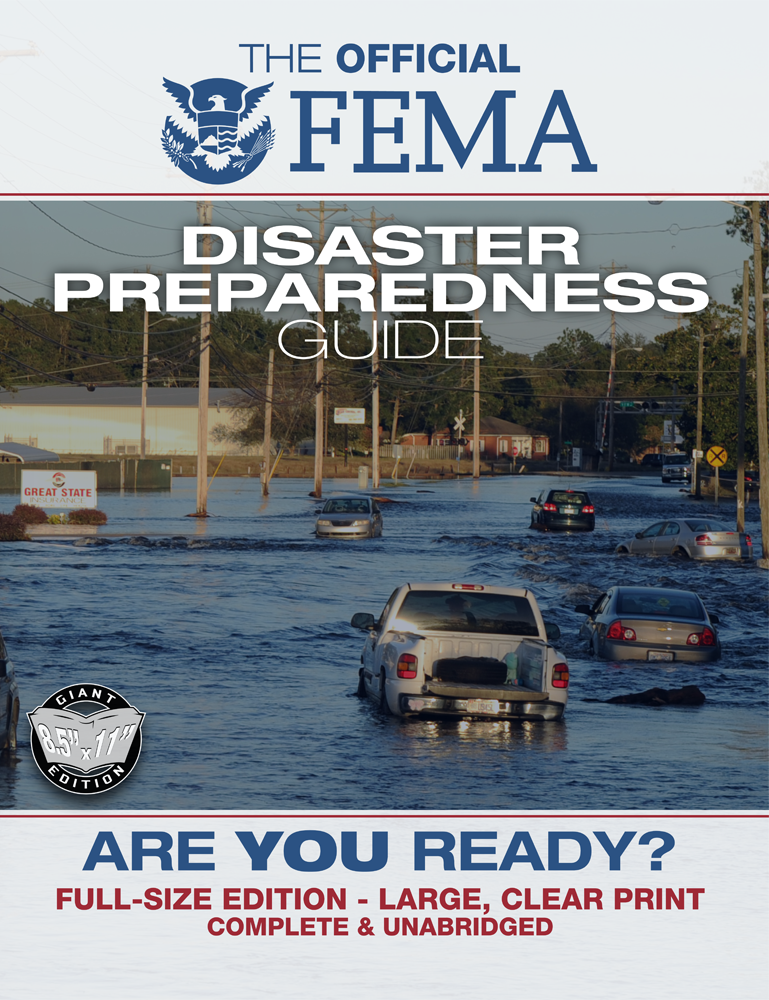
Communication is only one part of preparedness; alerts, evacuation decisions, supplies, documents, recovery, and the needs of individual household members also deserve attention. FEMA: Are You Ready? An In-Depth Guide to Citizen Preparedness is a useful print reference for working through those connected decisions methodically, including family communications planning and disaster supplies.