A range session can produce plenty of targets and almost no usable learning. By the next visit, it is surprisingly easy to forget what changed: the light, the support, the ammunition lot, the pace of fire, or the one adjustment that seemed to settle the rifle. A brief, disciplined debrief turns that fading memory into a repeatable training record.
The Army sniper curriculum treats maintenance of a data book as a distinct skill, and that is the useful principle here. A record is not a trophy book for tiny groups. It is a way to separate what you know from what you merely remember.
Use this process only at a lawful range, with the range’s rules in force and the firearm kept safely pointed downrange. It is not a substitute for qualified instruction, safe gun handling, or the procedures required by a particular range or service unit.
1. State the purpose before recording the result
Start with one sentence: what was this session intended to test or practice? Examples might include confirming a known setup, evaluating consistency from a supported position, or practicing a repeatable pre-shot routine.
A purpose prevents a common mistake: trying to diagnose five variables from one target. If the session had several aims, divide the notes into separate blocks. A clean record begins with a clean question.
2. Capture the conditions that could matter later
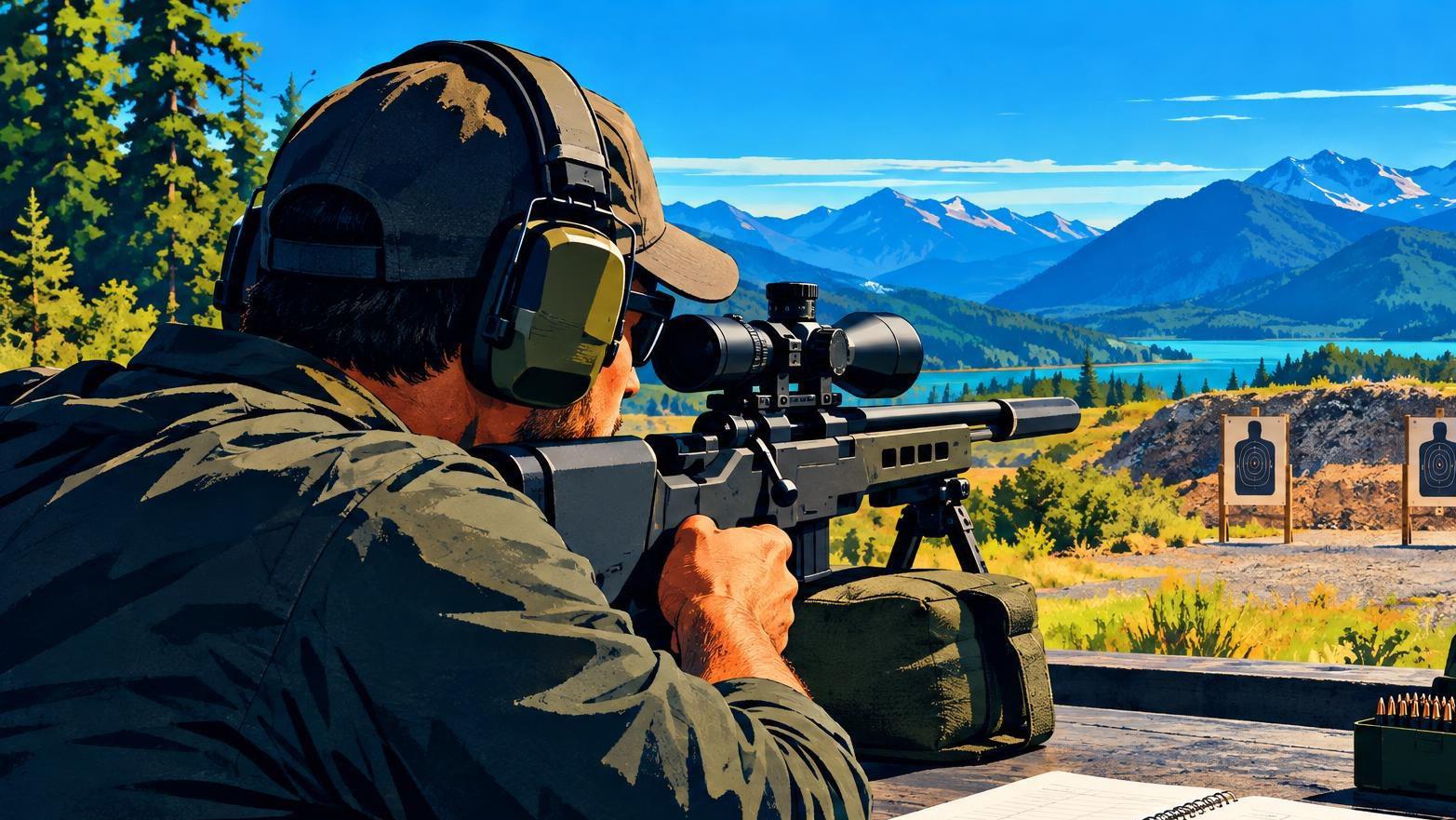
Write down the date, location or range, target distance as posted or otherwise verified, light, temperature, and any weather conditions that noticeably affected comfort or visibility. Add the firing position and support used: prone with a bipod and rear bag, seated at a bench, or another approved position.
Do not aim for a miniature weather station. The point is to preserve the context needed to recognize a pattern. “Cold morning, gusty crosswind, uneven bench” will often be more valuable later than a page of unexamined numbers.

3. Record the setup without relying on memory
Identify the rifle, optic, ammunition, and any meaningful equipment change. If an ammunition lot, optic setting, support arrangement, or maintenance condition differs from your normal baseline, make that difference obvious in the entry.
Be plain about uncertainty. If you are not sure whether something changed, write that down rather than quietly treating it as unchanged. Honest records make troubleshooting possible; tidy-looking records that omit doubt do not.
4. Describe the target pattern, not just the best shot
Keep the complete target or photograph it after the firearm has been made safe. Note the number of shots, the general pattern, and any called shots or interruptions. A tight cluster is useful information, but so is a pattern that opens after fatigue, haste, discomfort, or a change in conditions.
Avoid writing a verdict such as “bad day.” Replace it with an observation: “Groups opened after the third string; cheek position felt inconsistent,” or “Sight picture became difficult as light faded.” Specific language gives the next session a practical starting point.
5. Finish with one decision for next time
End every entry with one action, not a wish list. It might be to repeat the same setup before changing anything, ask a qualified coach to watch one element of the routine, bring a more stable rear support, or stop using a combination that produced inconsistent results.
That final line is what makes a data book a training tool. It links one session to the next instead of leaving each range day as an isolated event.
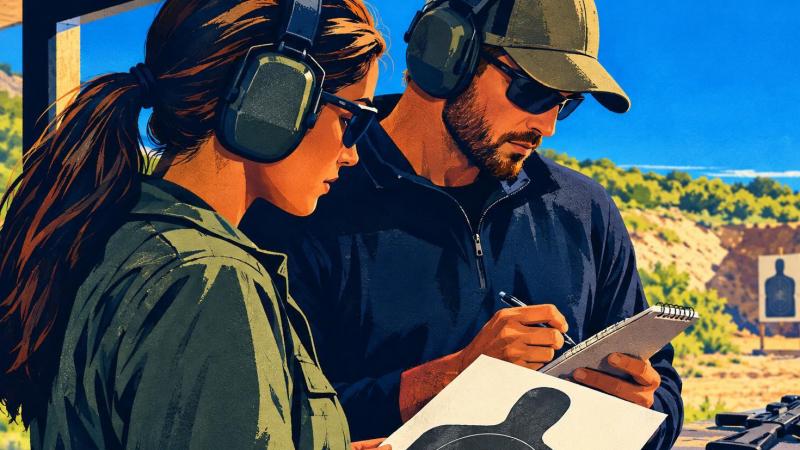
Keep the record simple enough to use
A notebook page, printed log, or carefully organized digital file can all work. The best format is the one you can complete before packing up. If recording takes so long that you skip it when tired or pressed for time, remove fields until the habit survives.
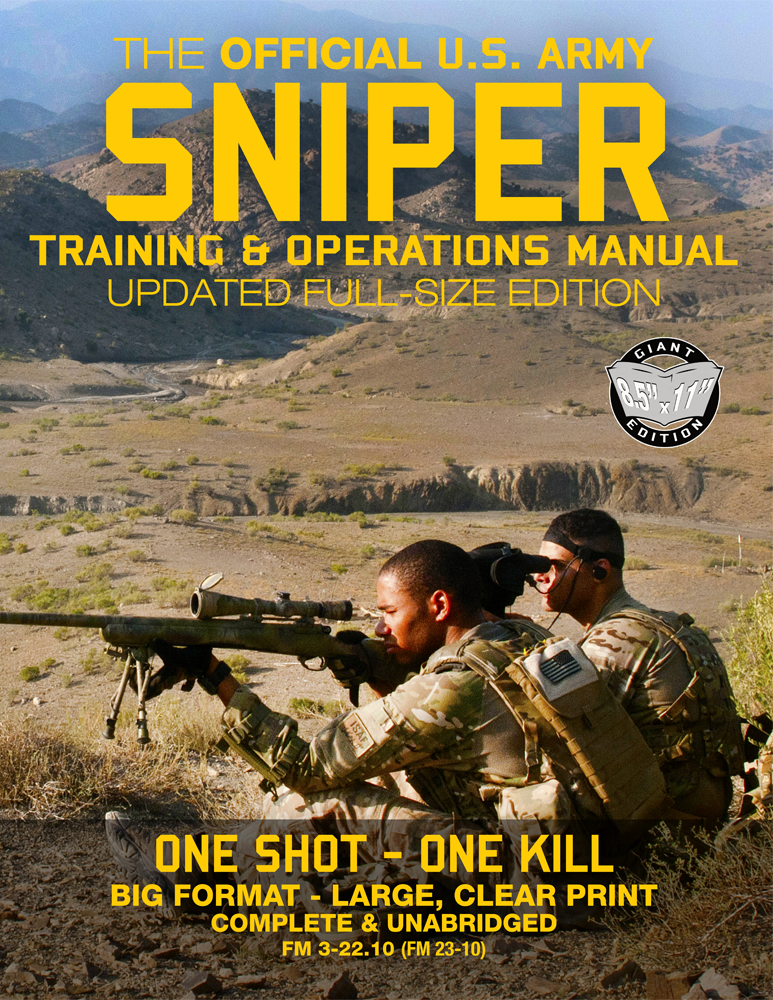
For readers who want the fuller military framework behind range records, observation, environmental effects, and structured training, The Official US Army Sniper Training and Operations Manual: Full Size Edition is a substantial desk and range reference. Its value is not simply in technical detail; it shows why careful observation, documentation, and risk-aware preparation belong alongside marksmanship practice.