When something goes wrong, “Can I control this?” is a useful question—but it is not quite enough. It can tempt you into two bad answers: trying to command an outcome that depends on other people, chance, or time; or calling a hard responsibility “out of my hands.”
Marcus Aurelius' writings offer a sterner and more practical alternative. His private reflections were not a handbook for making life predictable. They were repeated exercises in meeting events with sound judgment, disciplined action, and a decent regard for other people.
That distinction matters. You cannot control whether a colleague accepts criticism, whether a plan survives contact with reality, or whether bad news arrives. You can control whether you pause before making the situation worse, check the facts, keep a promise, ask a useful question, or do the next necessary piece of work.
First, separate the event from the story
An event is what happened: the meeting was canceled, the shipment is late, the application was declined, the other person spoke sharply.
The story is the rapid interpretation attached to it: This proves I am being ignored. This ruins everything. They always do this. I have failed. The story may eventually prove true, partly true, or false. In the first minute, however, it is usually an untested judgment wearing the clothes of a fact.
This is why Stoic practice is not emotional numbness. Disappointment, anger, and worry can arrive before deliberation. The work is to avoid granting every first impression full authority. Name the event plainly, then ask what evidence supports the conclusion you are adding to it.

Then identify your part of the job
“Control” is often too blunt a word. Many important things are not controllable, but they are influenceable. A manager cannot control a team member’s performance, for example, but can set expectations, give feedback, remove obstacles, document agreements, and decide what follows if expectations are not met.
A useful Stoic test has three parts:
- What is the event? State it without prediction or accusation.
- What judgment am I making? Notice the claim that is generating heat: unfairness, catastrophe, insult, hopelessness, certainty.
- What is my duty in the next step? Choose an action that is honest, proportionate, and within your agency.
The last question prevents Stoicism from becoming passive resignation. If the next duty is to apologize, prepare, clarify, seek help, report a safety concern, make a decision, or endure an inconvenience without taking it out on someone else, then the philosophy has become practical.
Judge success by conduct, not by immediate results
Results matter. A pilot wants the flight to arrive safely; a parent wants a child to thrive; a candidate wants the job. Stoicism does not require pretending that these outcomes are worthless.
After a difficult conversation, for instance, the result may be reconciliation, further disagreement, or no reply at all. A sound review asks: Was I truthful? Did I listen? Was I specific? Did I make a fair request? Did I keep my temper in check? Those are standards you can carry into the next conversation regardless of the response.
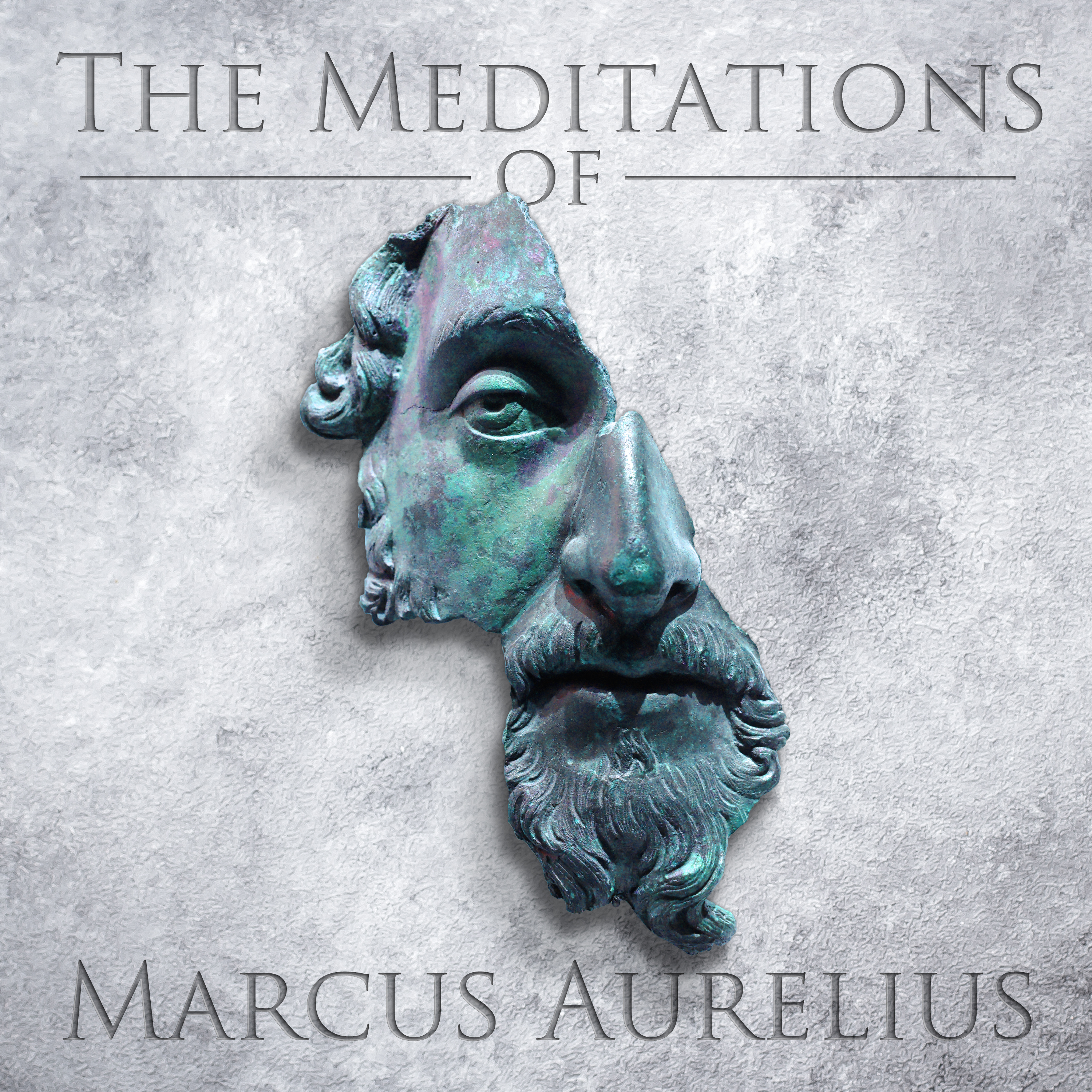
This is one reason The Meditations of Marcus Aurelius remains more useful than a collection of inspirational quotations. Marcus was writing reminders to himself, not claiming to have conquered irritation, vanity, fear, or distraction once and for all. The short entries work especially well as a listening practice: take one thought into a commute or walk, then test it against an ordinary frustration.

Practice before the crisis hits
The best time to practice is not only during a crisis. Try it with a small annoyance: an unanswered message, a long queue, a mistake in a document, a change of plan. Put the event in one sentence. Identify the judgment. Select one useful action. Then stop rehearsing the parts you cannot command.
That is not a promise of calm on demand. It is a way to make room for better conduct while the feeling is still present. Marcus Aurelius’s discipline is not “nothing can touch me.” It is closer to this: something has happened; I will not let my first interpretation decide what kind of person I become next.