An AI can give a wrong answer in a beautifully organized paragraph. That is not a moral failing, a conspiracy, or necessarily a reason to stop using it. It is a reason to adopt a checking habit: treat a chatbot’s answer as a lead until the important parts have earned your trust.
This matters most when an answer includes a date, quotation, statistic, legal rule, product specification, medical claim, or named source. Those details sound reassuring precisely because they are specific. Specificity, however, is not evidence.
The four-question check
- What is the actual claim? Reduce the response to one sentence you could test. “This flight is delayed because of weather” is a claim. “Here are six excellent ways to organize a closet” is advice. Check factual claims first, especially the ones that would change a decision.
- How costly would it be to be wrong? A mistaken movie year is usually harmless. A mistaken tax deadline, medication interaction, wiring instruction, or investment claim is not. As the cost of an error rises, move from casual checking to primary sources and qualified human advice.
- Where would the original evidence live? Do not settle for a plausible-looking citation or a pile of search results. For a law, seek the statute or the relevant government agency. For a company policy, use the company’s current policy page. For research, locate the study or a respected institutional summary of it. For a quotation, find the full speech, book, interview, or transcript.
- Does a second independent source agree? Independence is the important word. Ten websites repeating the same unsupported statement do not make ten confirmations. Look for a source with its own access to the facts, then compare the precise details: names, dates, scope, exceptions, and definitions.

Ask the AI to make its answer easier to test
A vague prompt often produces a vague answer. Instead of asking, “Is this true?”, ask the system to expose the parts that need scrutiny:
- “List the factual claims in your answer separately.”
- “Which details are uncertain, time-sensitive, or likely to vary by location?”
- “Give me the primary sources I should consult, without inventing citations.”
- “What facts would change your recommendation?”
- “Rewrite this with clear distinctions between fact, estimate, and opinion.”
These questions do not turn the chatbot into an authority. They do turn a smooth block of prose into a useful research checklist. If the answer cannot identify what would confirm or disprove it, that is useful information too.
Watch for the confidence traps
Three habits cause more trouble than technical jargon ever will. First, readers mistake a detailed explanation for a verified one. Second, they accept citations without opening them. Third, they let an answer drift from its original question: a response about a general rule may quietly omit the exception that applies to their case.
Slow down when you see exact figures, obscure titles, unusually neat quotations, or a confident explanation of a niche subject. Those are not automatic signs that an answer is false. They are signs that the answer deserves a source check.

Use AI for drafts, options, and questions—not final responsibility
AI is often very good at generating search terms, outlining competing explanations, translating technical language into plain English, and identifying questions you had not thought to ask. Those are valuable jobs. The final judgment still belongs with the person who understands the stakes and checks the evidence.
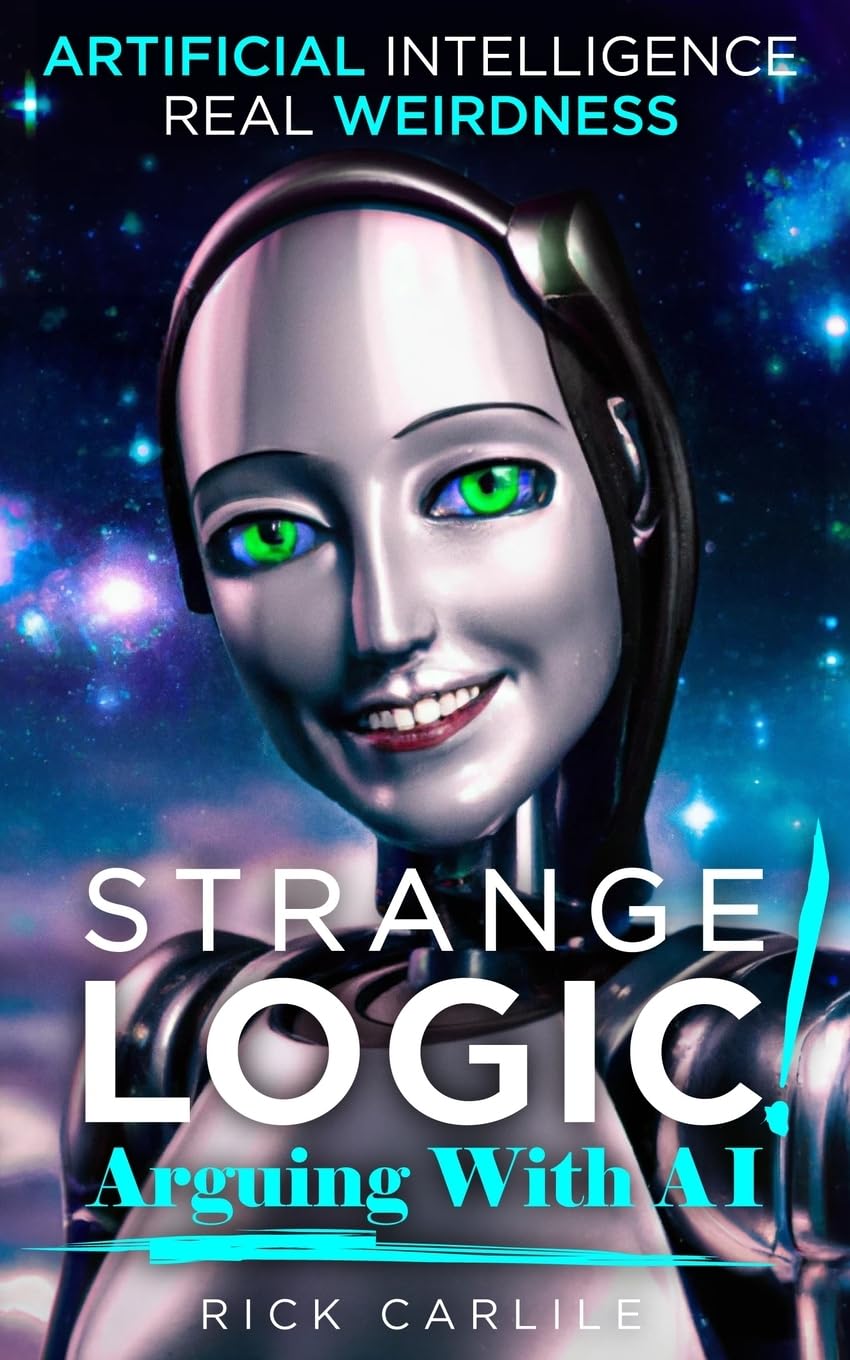
For a comic, skeptical look at what happens when a human presses an AI on its evasions, contradictions, and strange turns of reasoning, Strange Logic!—Arguing with AI approaches the subject through eleven argumentative conversations. It is a useful reminder that an answer can sound persuasive long before it becomes dependable.