It is possible to earn a respectable income and still feel perpetually short of money. The usual culprit is not one dramatic purchase. It is a failure to see the full pattern: bills arrive before income clears, annual costs disappear from view, small subscriptions become permanent, and a supposedly one-off expense brings three more behind it.
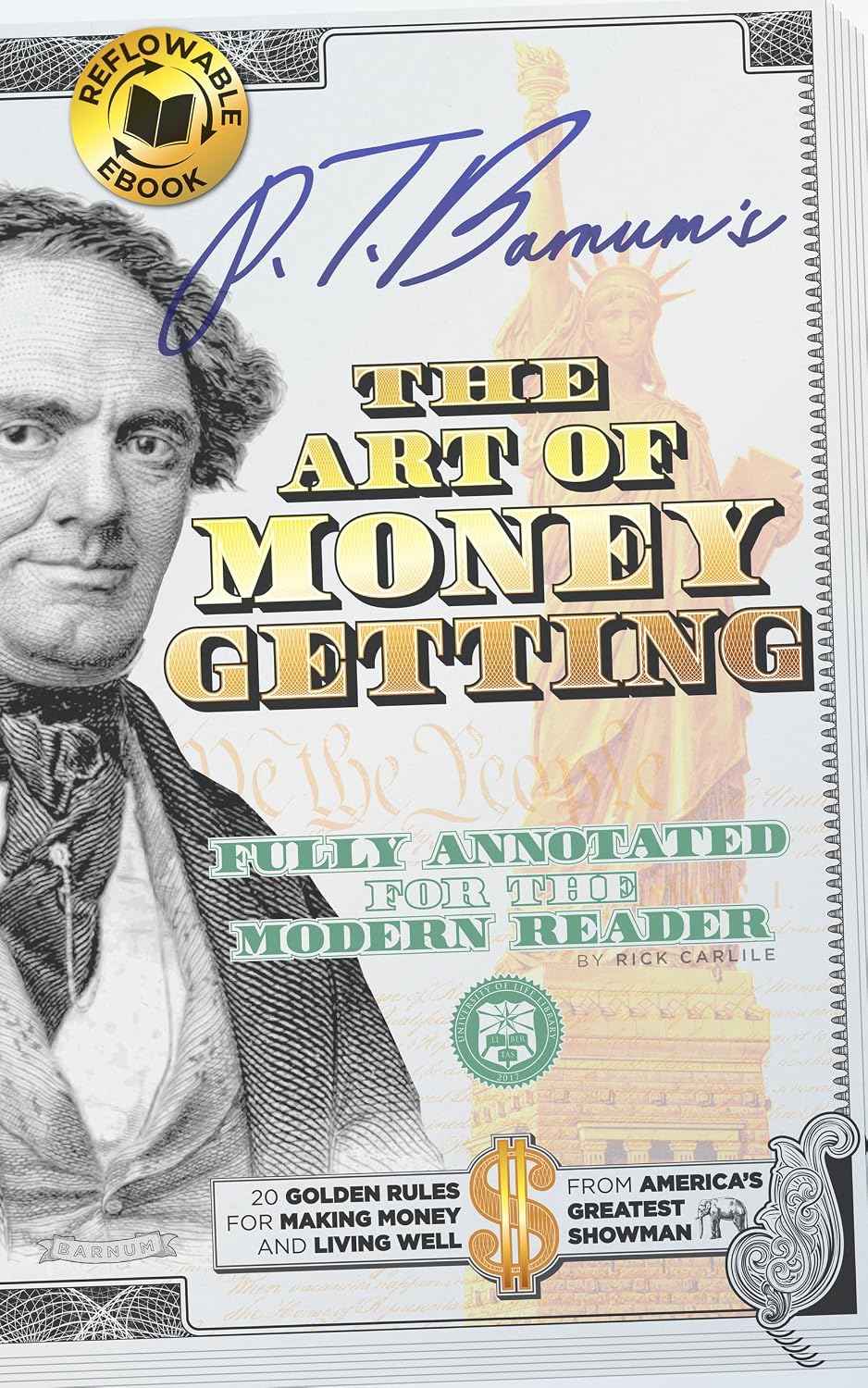
P. T. Barnum recognized the problem in The Art of Money Getting, fully annotated for the modern reader. His basic remedy was disarmingly simple: write down spending and separate genuine needs from luxuries. The categories need updating, but the discipline does not. A useful modern version is a weekly cash check.
Why a monthly budget can miss the real problem
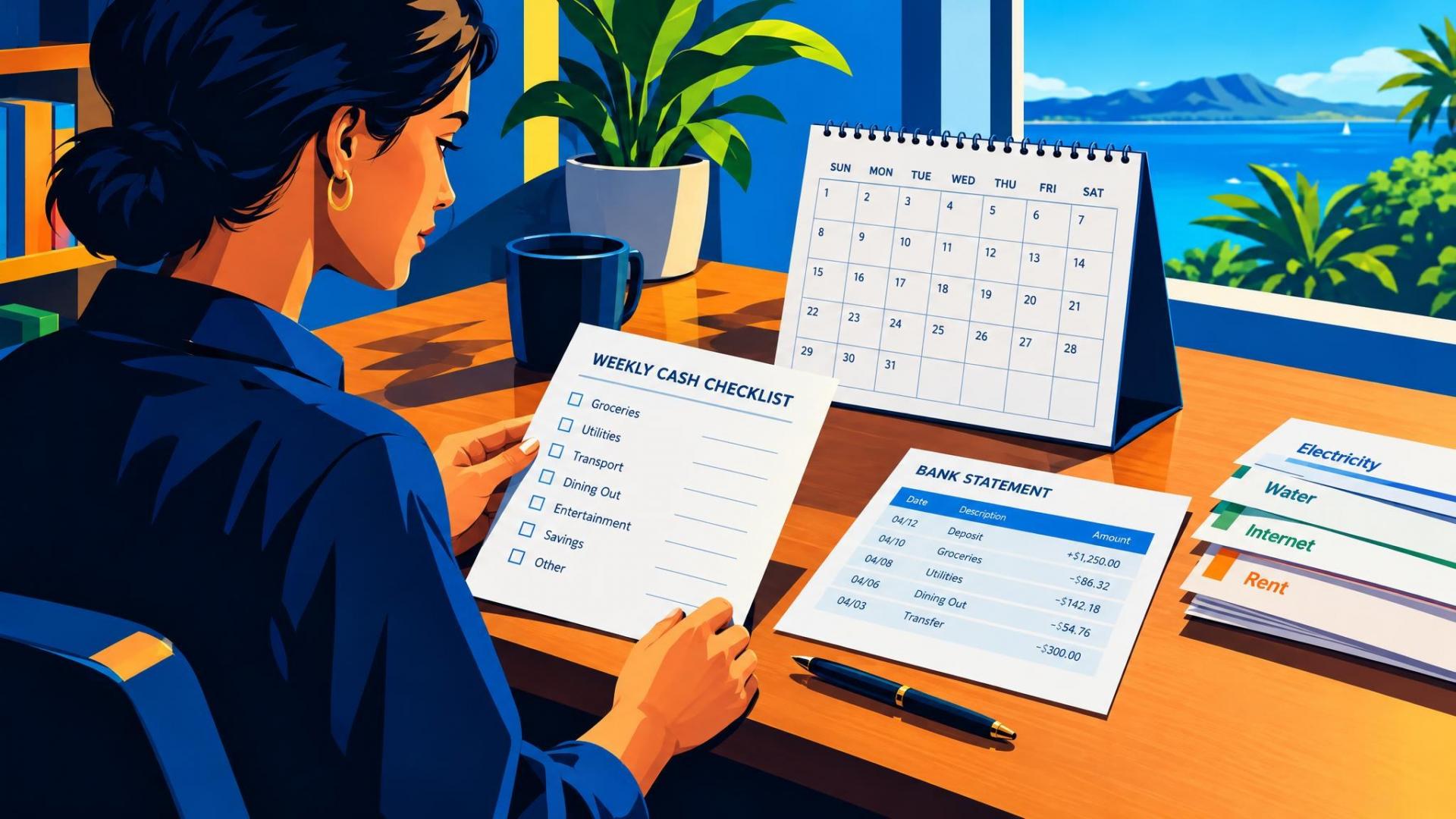
A monthly budget tells you whether the month may work in theory. A weekly cash check asks a more urgent question: Will the money be in the account before the next commitments are due?
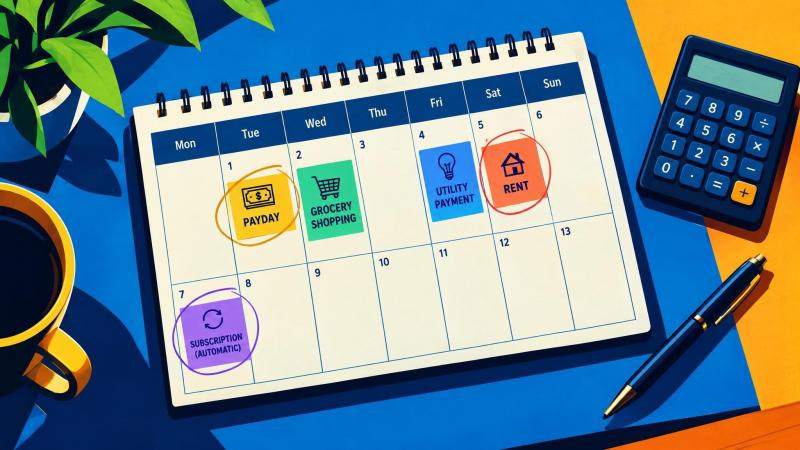
That distinction matters when paydays, rent, automatic payments, freelance invoices, school costs, insurance premiums, or irregular household spending do not line up neatly. You can be on track for the month and still face a difficult week because the timing is wrong.
This is not an exercise in judging every coffee or treating all discretionary spending as a failure. It is a way to make trade-offs while they are still choices, rather than surprises after an overdraft, a late fee, or a credit-card balance has made them for you.
How to do a weekly cash check
- Choose one consistent day. Pick a day when you can see recent transactions and the week ahead. Fifteen quiet minutes is more useful than a heroic review once every six months.
- Write down the money currently available. Start with the cash you can actually use now: checking-account balance, cash on hand, and any income that has cleared. Do not count an invoice, a hoped-for sale, or a transfer that has not arrived.
- List income expected before the next check. Include pay, regular benefits, or confirmed payments. If an amount is uncertain, leave it out or use a cautious estimate rather than the best possible outcome.
- List every commitment due before then. Include automatic payments, rent or mortgage, utilities, debt payments, transport, groceries, childcare, and transfers to savings. Look beyond the obvious: a streaming renewal and an annual membership are still real claims on future cash.
- Set aside a share of irregular costs. Divide predictable but non-monthly expenses into smaller pieces. A $600 annual insurance bill is not a sudden $600 problem; it is roughly a $50 monthly obligation waiting its turn.
- Calculate the remaining cushion. Available money plus expected income, minus the week’s commitments and set-asides, gives you a working number. A positive result is a cushion, not necessarily spending money; a negative result is an early warning.
- Make one specific adjustment. Move a discretionary purchase, ask whether a payment date can be changed, send an overdue invoice, pause a renewal, or shift money into the account that will need it. The purpose is action, not perfect recordkeeping.
Use categories that lead to decisions
Barnum’s “necessaries” and “luxuries” make a memorable starting point, but four categories usually produce better decisions today:
- Essentials: housing, basic food, medication, essential transport, and other costs that protect health, work, and home.
- Commitments: contractual or scheduled payments, such as loan payments, insurance, subscriptions, and child-care arrangements.
- Choices: spending that is welcome but adjustable, from eating out to hobby purchases and upgrades.
- Future costs: annual bills, repairs, gifts, travel, medical deductibles, and other expenses that are foreseeable even if their exact date is not.
The point is not to force every purchase into a moral label. It is to identify which expenses can move when the cushion is thin. A family meal out may be a meaningful choice; an unused subscription may simply be a forgotten commitment. Those are different conversations.

Watch for the “matching purchase” trap
> One upgrade often recruits several others.Buy a new device and you may need a case, software, accessories, a more expensive data plan, or replacement gear that now feels out of place. Move to a larger home and furniture, utilities, maintenance, and commuting costs can change with it. The original price is only the first number.
Before making a substantial purchase, write one line beneath its price: “What ongoing costs does this create?” Then list maintenance, financing, insurance, supplies, storage, subscriptions, and the time it demands. The answer will not always stop the purchase. It will make the decision honest.
When the numbers stay negative
If the cash check is negative once, it may be a timing issue. If it is negative repeatedly, it is useful evidence that the plan needs more than minor trimming. Start by checking for missed obligations and avoidable fees, then consider a larger change: reducing a recurring cost, changing payment timing, increasing reliable income, or seeking qualified nonprofit credit counseling if debt is becoming unmanageable.
For a business owner, keep business and personal money distinct and track customer payments separately from sales. Revenue is not the same thing as cash available to pay this week’s bills. A simple weekly review will not replace proper bookkeeping or tax advice, but it can reveal problems early enough to address them.
Barnum’s enduring insight is not that deprivation creates prosperity. It is that money improves when it is observed closely enough to be directed. A weekly cash check gives every dollar already committed a name, every future bill a place, and every remaining choice a clearer cost.